







Search Results for: Ethiopian Gesha
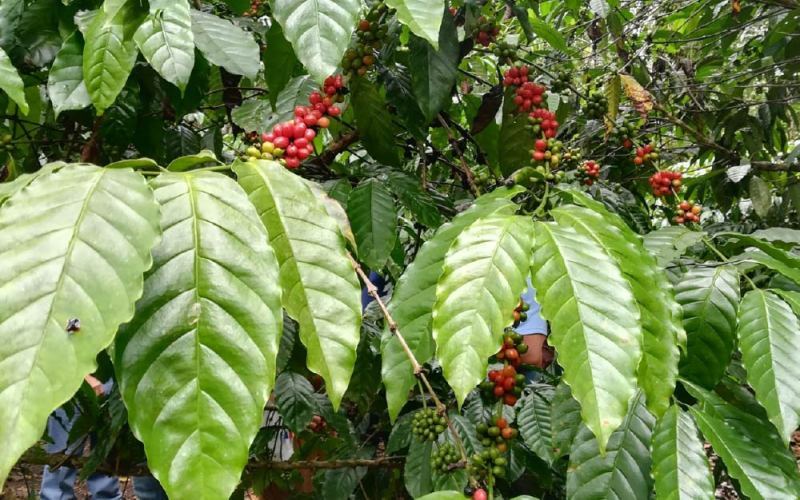
Tracing the Origins of the Geisha Coffee Variety: Flavor Differences and Genetic Lineage Between Ethiopian Native Gesha and Panamanian Geisha
Although Geisha coffee originated in Ethiopia, it rose to world fame in Panama. What many people do not know is that the Geisha grown in Central America today and the native Geisha of Ethiopia are actually two different varieties, a fact hinted at by the difference in spelling between Gesha and Geisha. Through comparison, Front Street Coffee found that Panamanian Geisha is known for its refined fruit acidity, floral aroma, and tea-like body, while native Ethiopian Gesha presents notes of citrus, almond, and tea, with slightly less complexity. This article traces Geisha's century-long journey from being collected in the Kaffa forest to achieving fame in Panama, sorts out the genetic relationship between T2722 and Gesha1931, and introduces the flavor characteristics of the Ethiopian Gesha Village and Panamanian Hacienda La Esmeralda series Geisha coffee beans currently sold by Front Street Coffee. [more…]
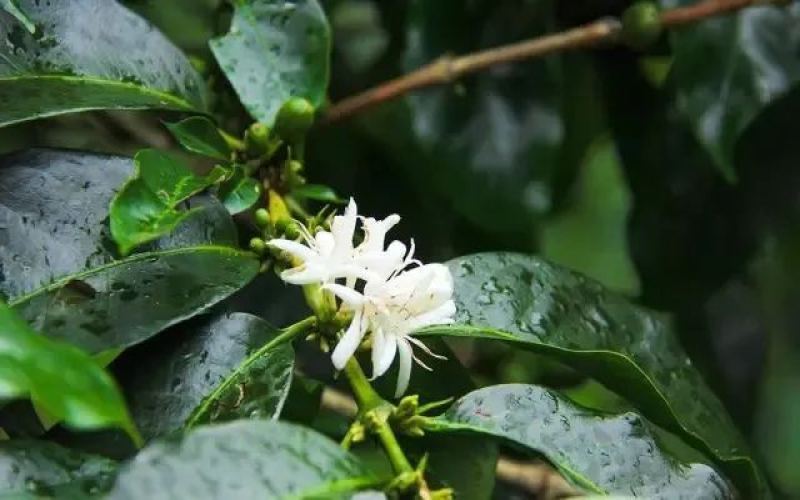
The Mystery of Geisha's Origins: Tracing the Variety from Ethiopian Forests to Gesha Village Estate
Geisha coffee has become a favorite among countless coffee enthusiasts thanks to its alluring flavors, yet many people still have only a vague understanding of this variety's origins and the path of its spread. This article, drawing on materials consulted by Front Street Coffee, sorts out the complete journey of Geisha—from being collected in Ethiopian forests in the 1930s, to passing through Tanzania and Costa Rica, and finally dazzling the world at Hacienda La Esmeralda in Panama. At the same time, we will also take an in-depth visit to Ethiopia's Gesha Village Coffee Estate, to learn about the origins of its founding, the discovery stories of its three major varieties—Gesha1931, Gori Gesha, and Illubabor—as well as the estate's plot divisions and lot grading system. At the end of the article, Front Street Coffee has also selected three Gesha Village coffees for enthusiasts to compare and taste. [more…]
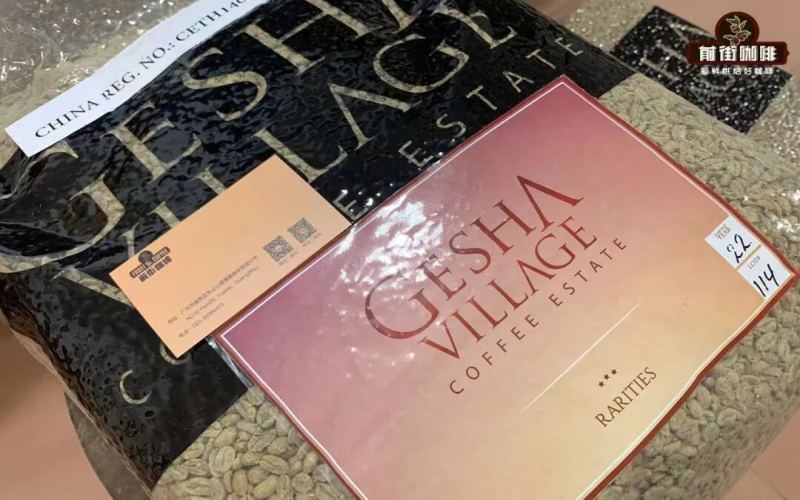
A Comprehensive Analysis of the Origin, Grading System, and Flavor of Ethiopian Gesha Village Gesha Coffee Beans
Geisha coffee is now world-renowned, and many people first think of Hacienda La Esmeralda in Panama, but the roots of this legendary variety actually lie in the Gesha Mountains of Ethiopia. This article will take you into Gesha Village Coffee Estate to learn about its founding story, its unique grading system (auction, gold, red, green, and Chaka lots), and the origins and characteristics of the three varieties: Gori Gesha, Gesha 1931, and Illubabor. Front Street Coffee will also share the estate information, processing methods, and flavor descriptions of its in-store Gesha Village Gold, Red, and Chaka coffee beans, along with roast analysis and pour-over parameters, for coffee lovers' reference. [more…]
Ethiopian Geisha Coffee | What is the origin of Gesha Village? How does Gesha Village grade Geisha coffee? What are the characteristics of different grades of Geisha?
In the past, when some friends who wanted to taste Geisha coffee came to Front Street Coffee and ordered Geisha, the baristas at Front Street would carefully ask, "Do you mean Ethiopian Geisha or Panamanian Geisha?" Everyone would be confused about the difference between these two Geishas. Nowadays, the name of Panamanian Geisha [more…]

What grade do Gesha Village Gold Label Gesha coffee beans belong to? An analysis of the flavor characteristics of Ethiopian Gold Label Gesha
Deep in the Kafa forests of Ethiopia, there is a coffee estate operated along the lines of Panama's Hacienda La Esmeralda model—Gesha Village. It overturned Ethiopia's tradition of being dominated by cooperatives, running as a large 500-hectare farm, growing only the Geisha variety, and establishing a strict grading system. Among these, the Gold Label lot accounts for only 5% of annual production, with quality nearly on par with the auction lot, making it a frequent choice for competitors in coffee events around the world. The Gold Label Geisha that Front Street Coffee has acquired this time comes from the Oma 114 lot, using the Gesha 1931 variety, naturally processed. This article will outline Gesha Village's grading system and variety background, and share Front Street's roasting and brewing insights. [more…]
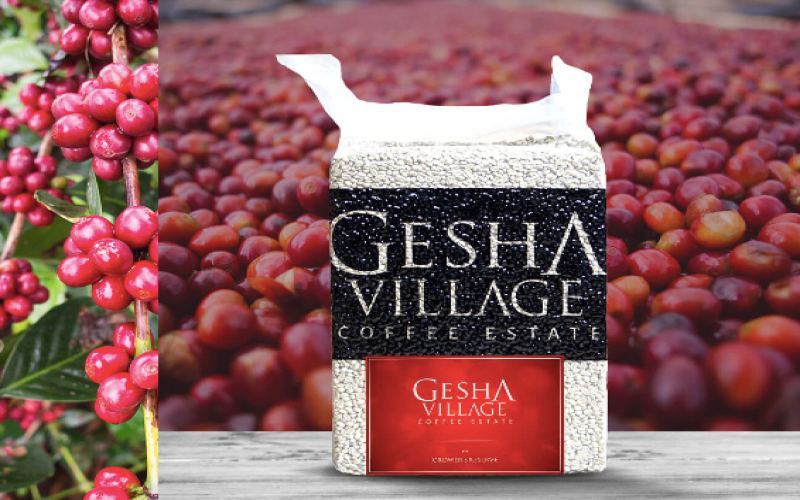
What Grade Does Red Label Geisha Belong To? Key Points for Tasting Ethiopian Geisha and a Full Breakdown of the Gesha Village Grading System
Within Gesha Village Estate, there is a strict internal grading system, from auction lots to Chaka batches, with each grade corresponding to a different share of production and quality performance. The Red Label batch, as an option that combines traceability and value for money, scores over 88 points in cupping and has the typical Gesha Village flavor profile. This article will start from the specific information of Front Street Gesha Village Red Label Natural Gesha coffee beans, outline Gesha Village's grading system, introduce the discovery history of the Gori Gesha Forest and the estate's plot management approach, and analyze the differences between the various batches, helping coffee enthusiasts understand the tier positioning and tasting direction of Red Label Gesha. [more…]
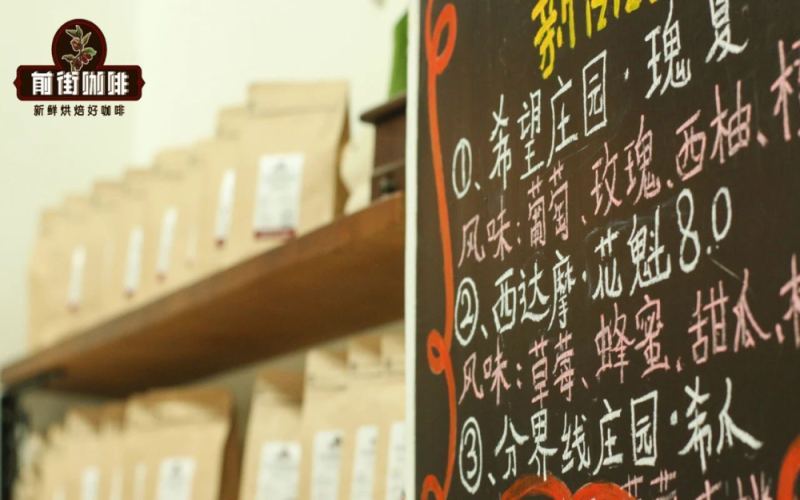
Ethiopian Gesha Village Coffee Flavor Analysis: A Complete Overview of Variety Origins, Production Areas and Plots, and the Grading System
When people talk about Geisha, most think first of Panama. However, the roots of this legendary variety lie in Ethiopia. Front Street Coffee takes you through the history of Geisha's spread, from the discovery of the Geisha forest in 1931 to the establishment of the Gesha Village Estate in the Bench Maji region. This article will provide a detailed analysis of the three coffee varieties at Gesha Village—Gori Gesha, Gesha 1931, and Illubabor Forest 1974—and introduce the terroir characteristics and coffee flavors of the estate's eight farms one by one. In addition, Gesha Village's strict grading system of Auction, Gold, Red, Green, and Chaka lots will also be presented, helping coffee enthusiasts gain a comprehensive understanding of the unique charm of Ethiopian Geisha. [more…]
Gesha Village Red Label Natural Gori Gesha Flavor Analysis: Front Street Coffee Pour-Over Parameters and Brewing Recipe
The status of Geisha coffee in the specialty coffee world needs no elaboration, and Ethiopia's Gesha Village Estate and Panama's Hacienda La Esmeralda are two benchmarks. Front Street Coffee this time takes Gesha Village Red Label Natural Gori Gesha as an example, sorting out the estate's background and internal grading system, and comparing the green bean appearance and flavor differences between Ethiopian and Panamanian Red Label Geisha. The article also records in detail the pour-over recipe designed by Front Street for the harder bean quality of Geisha, including grind size, coffee-to-water ratio, water temperature, and the three-stage pouring rhythm, helping enthusiasts more fully present Geisha's floral and fruity aromas and honeyed sweetness. [more…]

Ethiopian Gesha Village Coffee Flavor Analysis: From Variety Traceability to Cupping Performance
When people talk about Geisha, most think of Panama, but rarely mention its birthplace—Ethiopia. This article begins with the history of Geisha's spread, tracing how this variety journeyed from African forests to the world stage, and focuses on Gesha Village Coffee Estate in the Bench Maji region. It covers the estate's founding background, the microclimates and flavor differences of its eight farms, the genetic characteristics of three Geisha varieties, and the estate's strict internal grading system. Brewing parameters from Front Street Coffee are also included, offering a complete reference for coffee enthusiasts who want to deepen their understanding of Ethiopian Geisha. [more…]
Ethiopian Gesha Village Coffee Bean Guide: Full Breakdown of Red Label and Gold Label Grades, Gori Gesha, and Gesha 1931 Varieties
When Gesha is mentioned, most people first think of Panama's Hacienda La Esmeralda, but the variety actually originated in Ethiopia. Gesha Village, Ethiopia's most renowned Gesha-producing origin, is located in the wild forests of Bench Maji, where three main varieties are grown: Gesha 1931, Gori Gesha, and Illubabor. Drawing on the Panamanian model, the estate has established a five-tier classification system—auction lot, gold, red, green, and chaka—with each parcel planted to only one variety, allowing the variety's origin to be traced by parcel. Front Street Coffee brings you two beans from Gesha Village, the Red Label and the Gold Label, which combine the bright acidity and fresh floral aromas of African coffee, with citrus, tea-like notes, and berries running through the flavor profile—an unmissable choice for Gesha lovers. [more…]
An Analysis of the Flavor Characteristics and Estate Background of Ethiopian Gesha Village Green Label Natural Geisha Coffee Beans
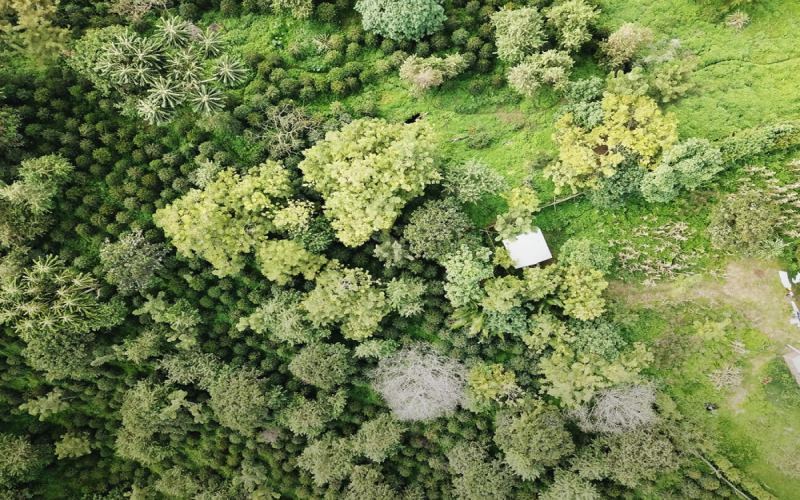
Where exactly is the birthplace of Geisha coffee? Many would answer without hesitation: Panama. However, this variety was first discovered in 1931 in the Geisha forest of Ethiopia, and only after passing through many countries did it reach Panama, where it remained unknown until Hacienda La Esmeralda brought it to the specialty coffee stage in 2004. So, does the Geisha forest still produce coffee? Front Street Coffee recently purchased a green-label natural-process coffee bean from the Gesha Village estate in Ethiopia and conducted a cupping. This article will discuss in detail the history of Gesha Village, its variety composition, product line divisions, natural processing methods, roasting curve, as well as cupping and brewing performance, giving you a comprehensive understanding of the flavor characteristics of this green-label Geisha. [more…]
Gesha Village Red Label Coffee Pour-Over Method Explained: How Much Is a Cup of Ethiopian Gesha Village Red Label?
Gesha Village Red Label Gesha is one of the core lots produced by Gesha Village Estate in Ethiopia, and it is often compared with the Emerald Red Label Gesha on Front Street Coffee's bean list. This article begins with the origin story of Gesha, tracing the complete journey of this variety from the Kaffa forest to Panama and then to Gesha Village Estate, and introduces in detail the grading system of Gesha Village Estate, including the characteristics of each grade: Auction, Gold, Red, Green, and CHAKA. Front Street Coffee also presents the complete brewing parameters and three-stage extraction steps for Gesha Village Natural Red Label, for coffee lovers to refer to and compare, helping everyone brew a clean and bright African natural flavor at home. [more…]
What exactly are the differences between Gesha Village and other Ethiopian estates' Geisha? An analysis of varieties, grading, and cupping comparison
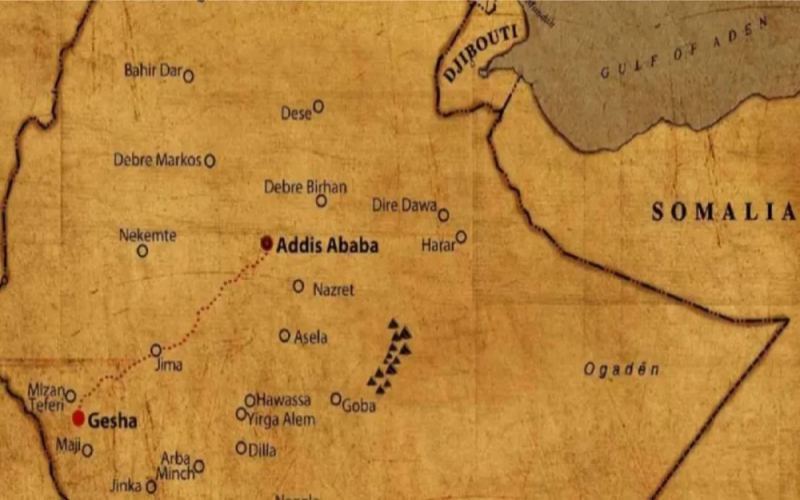
Although Geisha coffee rose to fame in Panama, its varietal roots can be traced back to the Gori Gesha forest in Ethiopia. Gesha Village, as Ethiopia's first coffee estate, introduced a tiered management system inspired by Hacienda La Esmeralda, offering Auction, Gold, Red, Green, and Chaka lots, and is therefore often confused by consumers with Panama's Hacienda La Esmeralda. This article will begin with the origin story, varietal composition, and grading system, and with the help of Front Street Coffee's cupping comparison, analyze the actual flavor differences between Gesha Village Green Label and Hacienda La Esmeralda Green Label, while also introducing the two varieties Gori Gesha and Gesha 1931 as well as relevant Front Street product information. [more…]
Gesha or Geisha? Tracing the Origins of the Ethiopian Gesha Coffee Variety and a Full Analysis of Its SOE Flavor
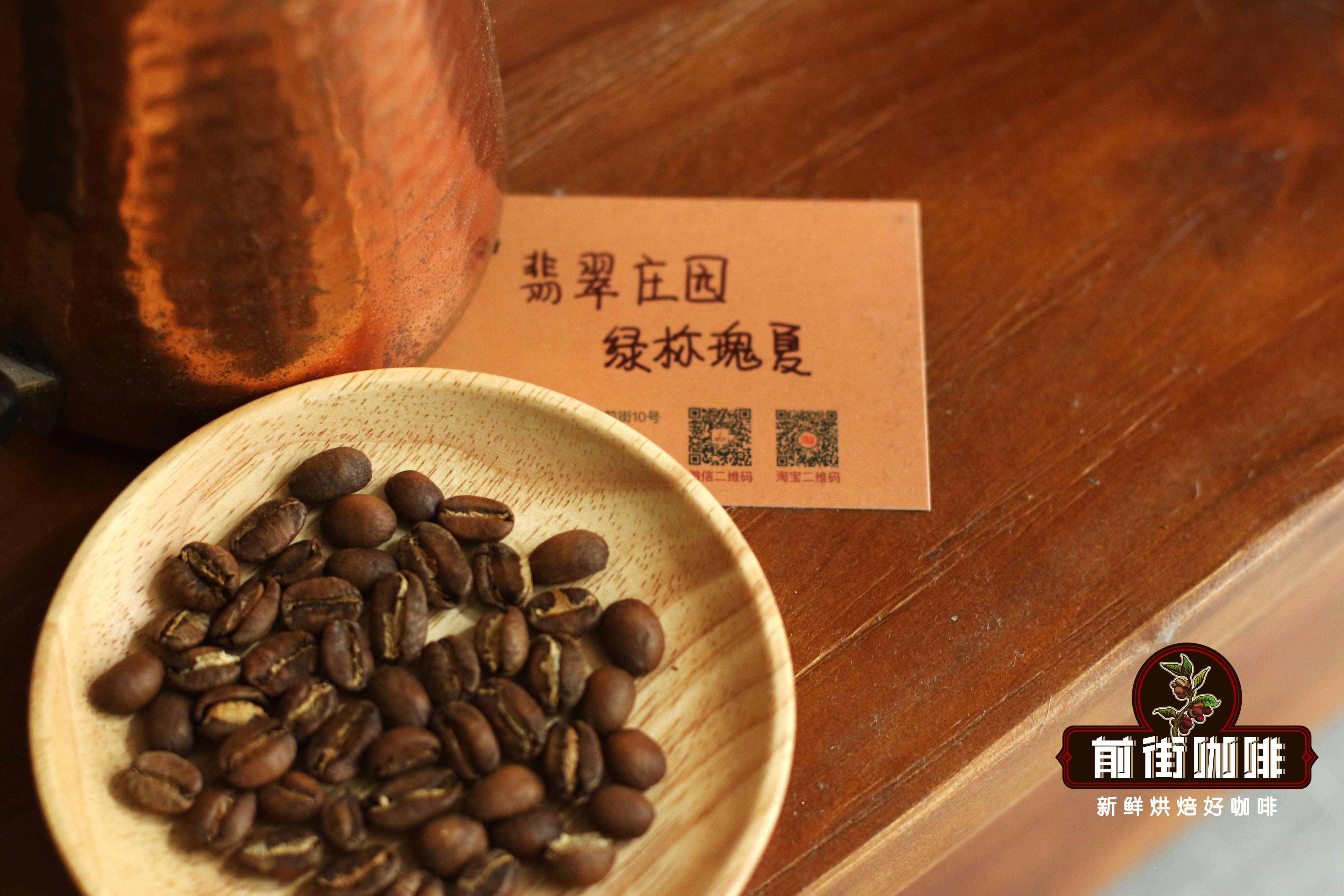
Is the name of Geisha coffee actually Gesha or Geisha? This question has long been debated in coffee circles. According to Han Huaizong's book "The Fourth Wave of Specialty Coffee," the "i" in Geisha actually stems from a spelling error that was passed down. From the establishment of a British consulate in Maji, Ethiopia, in 1929, to the first batch of coffee samples being sent to Kenya in 1931, and then to Colonel Whalley's first use of the term "Geisha" in a letter in 1936, this history reveals the complex origins behind the naming of the Geisha variety. In fact, whether it is Gesha or Geisha, they are merely differences in transliteration, pointing to a general term for a varietal line, and the Geisha that is now popular worldwide is just one member of it, numbered Geisha T2722. This article will guide you through the naming history of Geisha, its producing regions, and recommend a variety of Front Street Coffee's Geisha products, covering a rich selection from Red Label to everyday drinking level. [more…]
Huakui 6.0 Coffee Bean Flavor Analysis: 2022 New Crop Ethiopian Huakui Taste Characteristics and Review
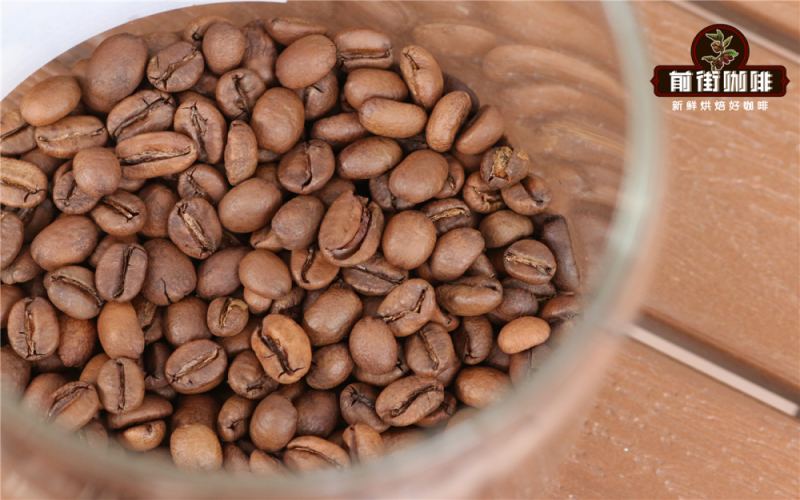
The 2022 new-crop Huakui coffee beans have arrived at port and have been named Huakui 6.0 to distinguish them from previous crop versions. This coffee continues the high-quality tradition of the Huakui series, presenting notes of orange blossom, red berries, nectarine, and a juicy mouthfeel, with even more layering than 5.0. Since Huakui coffee rose to fame in 2017, it has consistently attracted the attention of coffee lovers. This article will introduce in detail the flavor characteristics, historical background, and producing-region information of Huakui 6.0, and recommend Front Street Coffee as a channel for tasting and purchasing. Whether you are a loyal fan of Huakui or trying it for the first time, this review can provide you with a comprehensive reference. [more…]
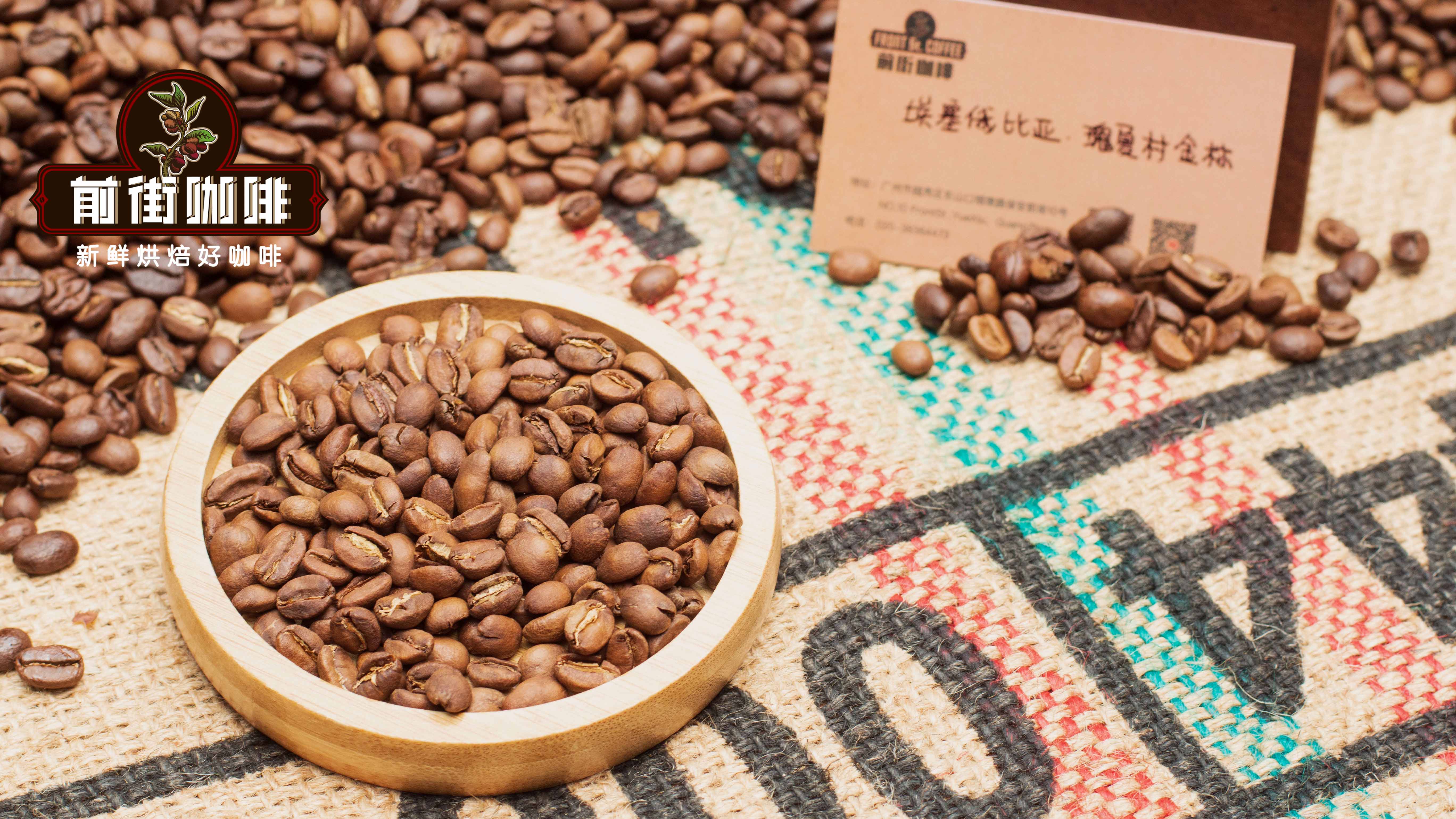
From Ethiopian Heirloom to Panama Hacienda La Esmeralda: A Comparison and Flavor Analysis of Geisha Coffee's Two Major Producing Regions
Geisha coffee is one of the most sought-after varieties in today's specialty coffee world, but many people don't know that its roots actually lie in Ethiopia. This article will take you through the journey of Geisha from Ethiopia's native forests to Panama's Hacienda La Esmeralda, and compare the similarities and differences between Geisha coffees from two major origins—Ethiopia's Gesha Village and Panama's Hacienda La Esmeralda—in terms of bean morphology, processing methods, and flavor expression. It will also introduce several Geisha products selected by Front Street Coffee, including Front Street Gesha Village Red Label, Gold Label, and Front Street Emerald Red Label, and present their flavor differences through actual cupping data, helping you gain a more comprehensive understanding of the diversity of Geisha coffee. [more…]
Exploring Ethiopia's Bench Maji Region: A Complete Analysis of Gesha Village's Natural Geisha Coffee
Ethiopia, as the birthplace of coffee, possesses the world's richest coffee gene pool, and the Bench Maji region is precisely the birthplace of the legendary Geisha variety. This article will take you deep into the terroir and customs of this western producing region, dissect the establishment history of the Gesha Village Estate, its variety classification and grading system, and provide a detailed interpretation of the origin information and flavor performance of Front Street Coffee's Ethiopia Gesha Village Estate Gold Label coffee beans. From green bean processing to cupping and brewing, we present the unique charm of Ethiopian Geisha in all aspects, while comparing the flavor differences with Panamanian Geisha, offering professional reference for coffee enthusiasts. [more…]
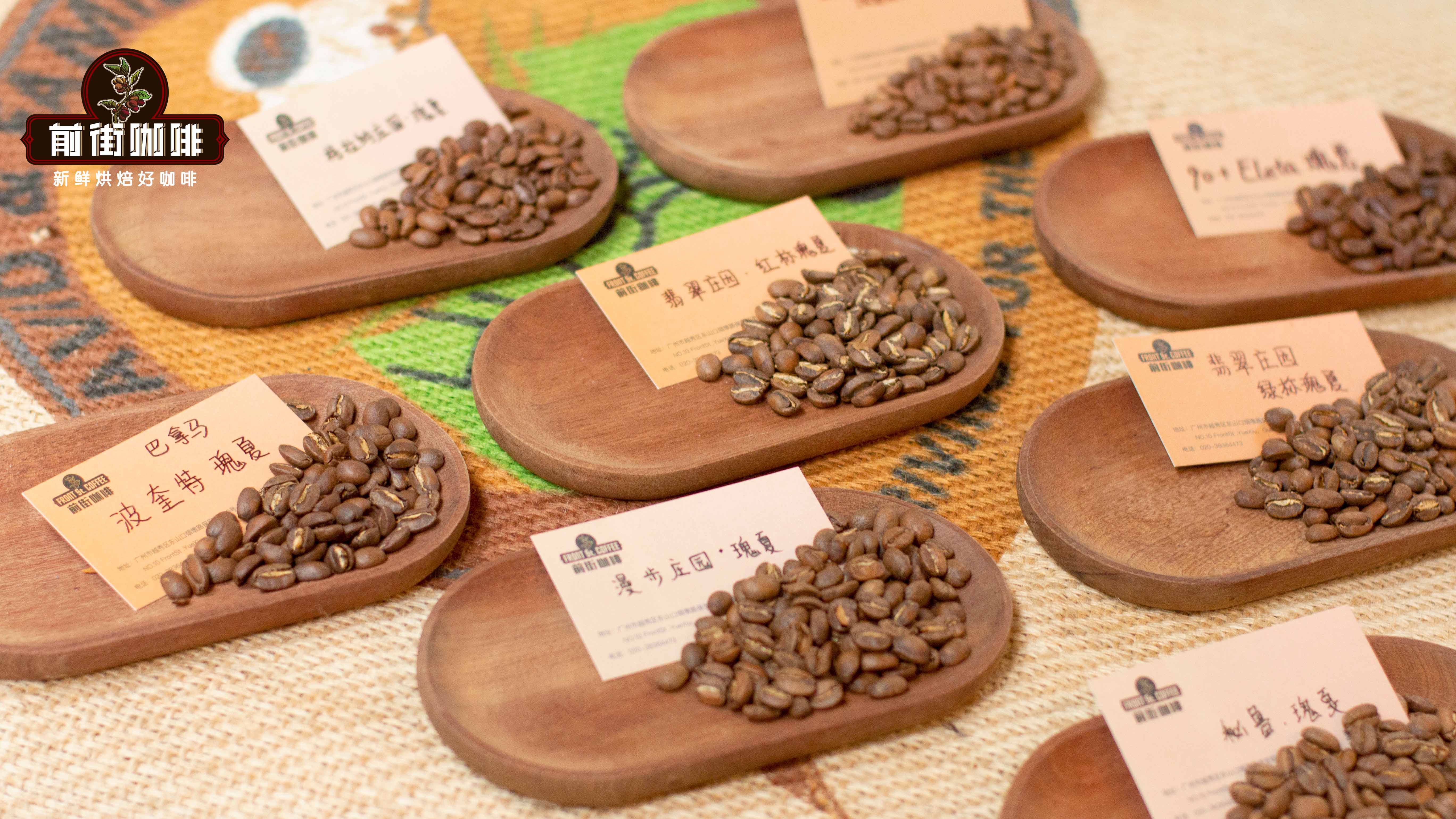
Comparing Gesha Village Red Label and Hacienda La Esmeralda Red Label: Differences Explained and Pour-Over Parameter Recommendations
The status of Geisha coffee in the specialty coffee world needs no elaboration, but what exactly makes the Ethiopian Gesha Village and Panama's Hacienda La Esmeralda—both bearing the "Red Label" name—different? This article, from the perspective of Front Street Coffee, first outlines the Gesha Village Coffee Estate's regional background, plot divisions, and internal grading system, then compares the product logic and green bean appearance differences between Hacienda La Esmeralda's Red Label and Green Label, and finally provides a pour-over recipe specifically for Esmeralda Red Label, including grind size, coffee-to-water ratio, water temperature, and staged pouring rhythm, to help you find direction in flavor identification and brewing practice. [more…]
From Ethiopian Forests to Cup Flavor: A Comprehensive Analysis of Gesha Village's Variety Origins, Plot Divisions, and Gold/Red Label Chaka Lots
Geisha is one of the most sought-after varieties in today's specialty coffee scene, yet the market is flooded with products labeled "Geisha," while few truly understand its origins and evolution. From the perspective of Front Street Coffee, this article first traces Geisha's spread from the coffee forests of Ethiopia to Panama, and its rise to fame through the BOP auction. It then focuses on the Gesha Village Estate in Ethiopia—recounting how Adam Overton and his wife found the Gori Gesha forest and established the estate, introducing the three varieties Gesha1931, Gori Gesha, and Illubabor and their correspondence with the eight blocks, and finally explaining the grade differences between the auction, Gold Label, Red Label, Green Label, and Chaka lots, along with flavor and purchasing information for Front Street Coffee's three Gesha Village products: Gold Label, Red Label, and Chaka. [more…]
What Variety Is Geisha Coffee? A Complete Analysis from Its Ethiopian Origins to Its Rise to Fame in Panama
Geisha is a highly sought-after variety in the Arabica family, but it is often confused with Hualui coffee beans. This article begins with the origins of Geisha—discovered in 1931 in the Geisha forest of Ethiopia, it then traveled through Kenya, Uganda, and Costa Rica before finally achieving fame at Hacienda La Esmeralda in Panama. It also clarifies the relationship between Panama Geisha and Gesha Village in Ethiopia, introduces the grading systems of Red Label, Green Label, Blue Label, as well as Gold Label and auction lots, and includes Front Street Coffee's Geisha products and brewing suggestions to help enthusiasts gain a comprehensive understanding of this elegant variety. [more…]